
Food Systems®
What Is Food Systems?
Food Systems offers franchises for multiple quick-service restaurant concepts—Asian Chao, Chao Cajun, Maki of Japan and TOBU—specializing in Asian and Cajun cuisine (including sushi, tempura, hibachi, teriyaki, jambalaya and gumbo). The restaurants are operated in a quick-service, counter format with typical unit sizes of 550 to 1,500 square feet and 15 to 30 feet of service counter space. Franchised locations are intended to be primarily located in enclosed regional and super‑regional shopping malls, with non‑traditional sites such as strip centers, airports and university campuses considered on a case‑by‑case basis.
Food Systems Franchise: Pros and Cons
The franchise's most notable strength is its $0 initial franchise fee and clean legal record (0 disclosed lawsuits, penalties, or enforcement actions), which preserves cash, but its biggest risk is very high startup costs—estimated $1,407,000–$2,409,400 required, with assets alone $267,400–$526,900.
Pros
Cons
Lawsuits & Legal Risk
The franchise reported no material legal proceedings.
Territory Protection
Grants a protected operating area where the franchisor will not place other physical units. Protection is contingent on performance quotas; the franchisor retains rights to sell via e-commerce/retail channels, to acquire/convert units and use different marks, while the franchisee holds a right of first refusal and relocation rights.
Training & Support
The brand provides a robust 80-hour training curriculum designed to prepare two managerial staff members for launch through a structured onboarding program. On-site launch support is included to assist operational readiness; franchisees are responsible for travel and living expenses, and on-site support is provided for an additional fee.
Unit Growth Analysis
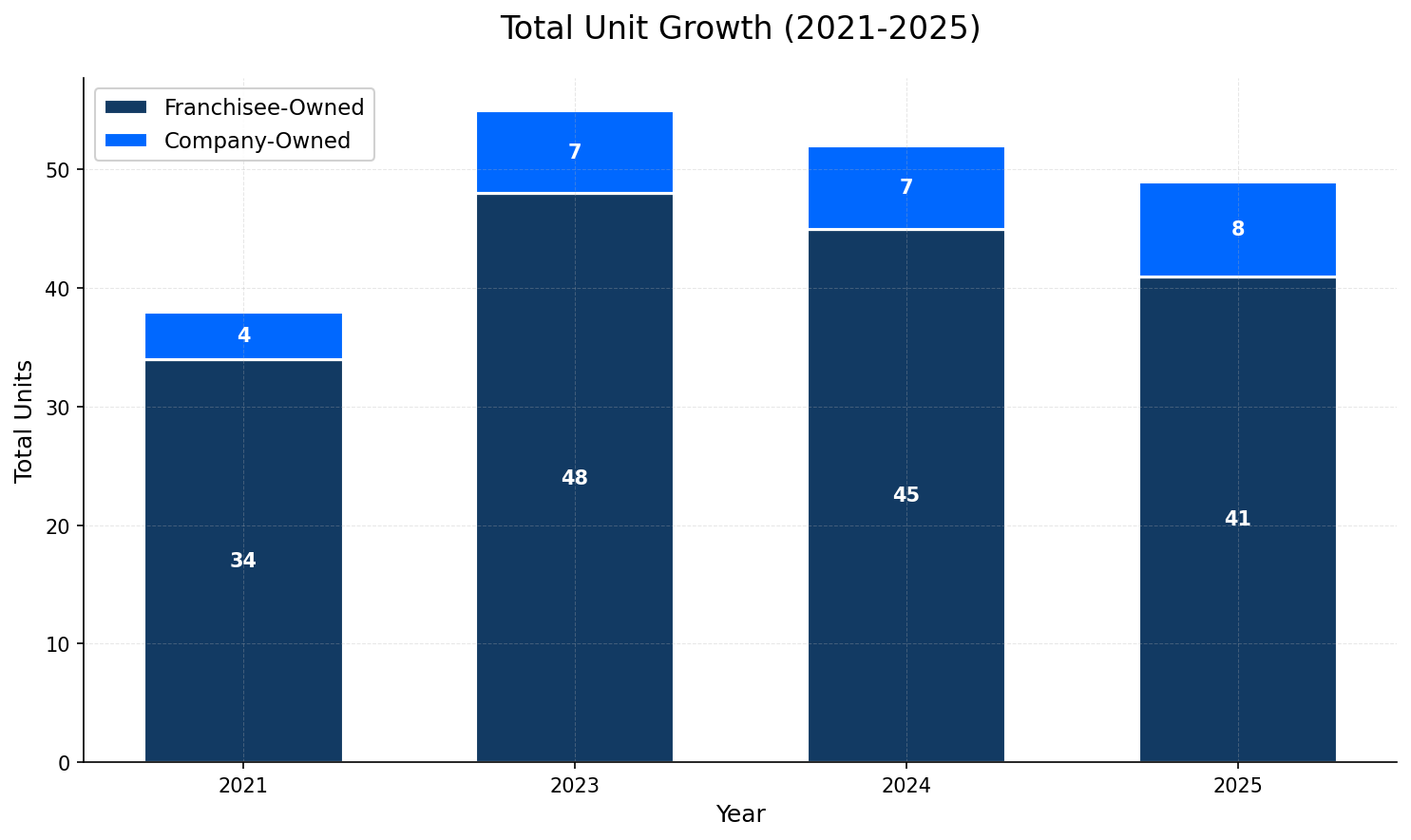
This brand showed rapid expansion from 38 units in 2021 to a peak of 55 in 2023 (+17 units, +44.7%), but has contracted to 52 in 2024 and 49 in 2025—a consecutive two‑year decline with the latest year‑over‑year change at −5.8% (52→49). For investors this shift from strong growth to steady shrinkage signals potential market saturation, franchisee attrition, or operational/ support issues and warrants targeted due diligence, since the post‑2023 reversal (−3 units in 2024 and another −3 in 2025) could meaningfully impact future unit economics and franchisor stability.
How Much Does It Cost to Open a Food Systems Franchise?
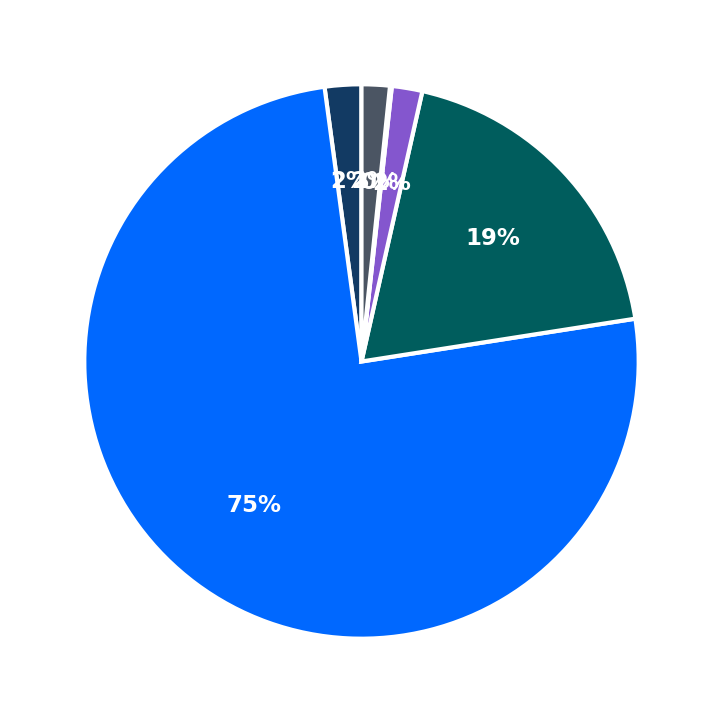
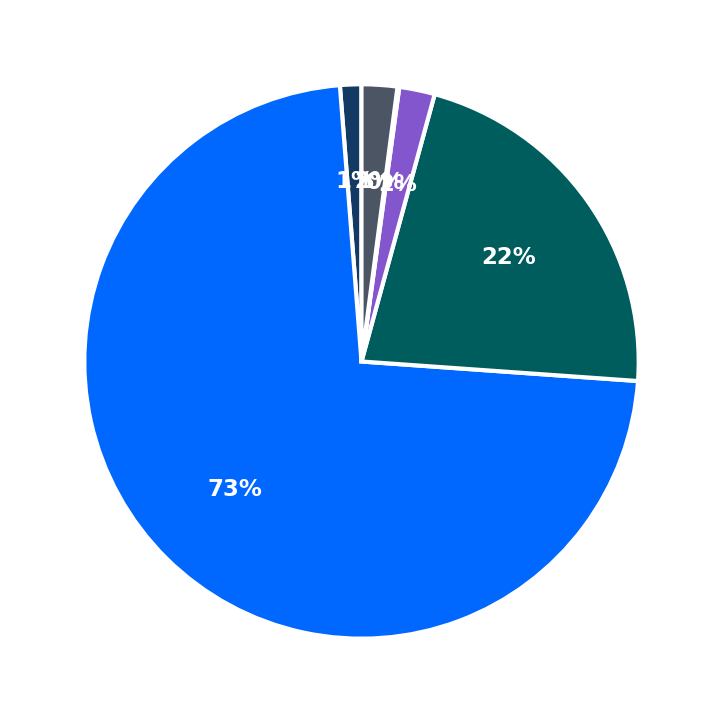
Opening a Food Systems franchise requires a total initial investment of $1,407,000 to $2,409,400, according to the 2025 Franchise Disclosure Document. This range covers the franchise fee, real estate, equipment, training, and initial working capital needed to launch and operate through the early months.
Minimum Investment
Maximum Investment
Minimum Investment Breakdown
Maximum Investment Breakdown
Investment Analysis
This investment analysis is coming soon. Have ideas for other analyses you'd like us to add? Get in touch.
The initial investment amounts shown are estimates only. Actual costs may vary based on location size, business model, and multi-unit ownership arrangements. We recommend reviewing the full Franchise Disclosure Document for complete details.
Food Systems Franchise Earnings: Not Disclosed
Food Systems did not disclose financial performance data (Item 19) in their 2025 Franchise Disclosure Document. Not all franchisors choose to publish this information, which can make it harder for prospective owners to evaluate expected revenue before investing.
This franchise company did not publish these results.
Frequently Asked Questions
How much does it cost to open a Food Systems franchise?
The total initial investment for a Food Systems franchise ranges from $1,407,000 to $2,409,400, according to the 2025 Franchise Disclosure Document. This includes the franchise fee, real estate, equipment, training, and working capital.
What is the Food Systems initial franchise fee?
The initial franchise fee for Food Systems is $30,000, as stated in the 2025 FDD. This fee is paid upon signing the Franchise Agreement.
Does Food Systems disclose franchise revenue data?
Food Systems did not disclose financial performance data (Item 19) in their 2025 FDD. Not all franchisors choose to publish this information.
Does Food Systems have any franchise lawsuits or legal issues?
Food Systems received a legal risk score of 100 out of 100 in the 2025 FDD analysis. The franchise reported no material legal proceedings.
Does Food Systems offer exclusive franchise territories?
Food Systems received a territory protection score of 50 out of 100. Grants a protected operating area where the franchisor will not place other physical units.
What training does Food Systems provide to new franchisees?
Food Systems received a training and support score of 54 out of 100. The brand provides a robust 80-hour training curriculum designed to prepare two managerial staff members for launch through a structured onboarding program.
How many Food Systems franchise locations are there?
Food Systems had 49 total locations as of the 2025 Franchise Disclosure Document.
What type of business is Food Systems?
Food Systems offers franchises for multiple quick-service restaurant concepts—Asian Chao, Chao Cajun, Maki of Japan and TOBU—specializing in Asian and Cajun cuisine (including sushi, tempura, hibachi, teriyaki, jambalaya and gumbo).
Interested in Food Systems?
Get more information and connect with the franchise directly.