Central Bark®
What Is Central Bark?
Central Bark is a franchise in the Pet Services (pet care) industry that operates personalized canine care facilities. The operational model is brick-and-mortar, with franchisees operating a Central Bark facility from a single physical location under the franchisor's System Standards. It primarily serves individual pet owners (B2C) and the core service bundle includes dog daycare, overnight boarding, grooming, training, and an on-site specialty retail boutique for pet products.
Central Bark Franchise: Pros and Cons
Notably, the franchisor has an unusually clean legal record with no disclosed lawsuits, government penalties, enforcement actions, or franchisee judgments, reducing legacy legal risk, but the upfront costs are high: a $55,000 initial fee, up to $1,394,250 total investment and a $120,000 maximum reserve requirement.
Pros
Cons
Lawsuits & Legal Risk
The franchise reported no material legal proceedings.
Territory Protection
Grants a protected operating area where the franchisor will not place other physical units. The franchisor retains rights to develop units affecting market density, sell via e‑commerce/alternative distribution channels, acquire and convert units and use different trademarks; protection is subject to performance contingencies and the franchisee retains site-specific relocation rights.
Training & Support
The brand provides a robust 94-hour training curriculum designed to prepare one staff member for launch. The program includes on-site launch support for operational readiness; on-site assistance incurs an additional fee, and franchisees are responsible for travel and lodging expenses.
Unit Growth Analysis
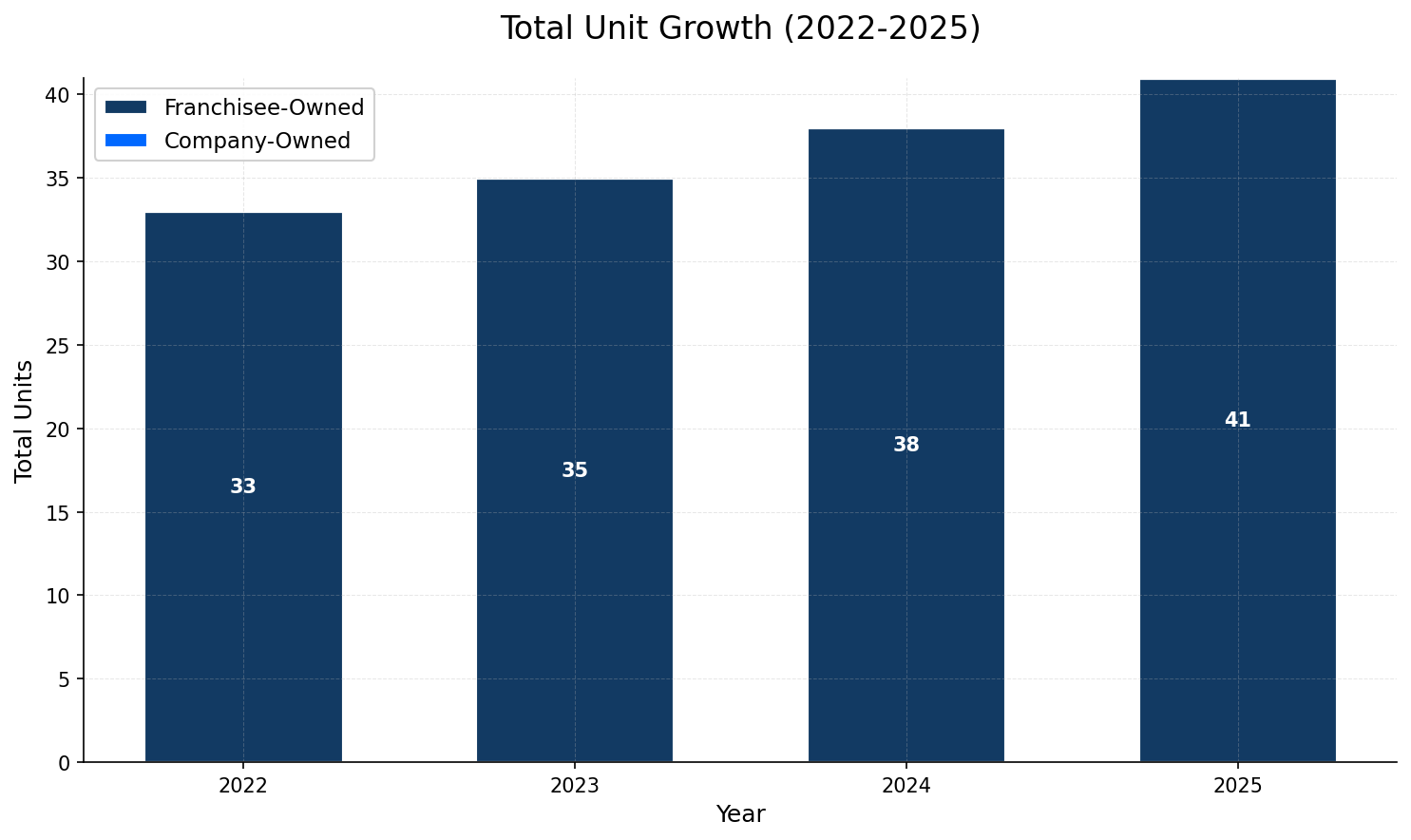
This franchise expanded from 33 units in 2022 to 41 in 2025 (CAGR ≈ 7.5%), with absolute additions of +2 (2023), +3 (2024) and +3 (2025), showing steady, modestly accelerating expansion rather than decline. For investors, the pattern—YoY growth rising from ≈6.1% (2023) to ≈8.6% (2024) and settling at 7.9% (2025)—signals healthy, sustainable scaling with consistent unit adds; the small dip from 8.6% to 7.9% is a minor stabilization around ~8% growth, not a material slowdown.
How Much Does It Cost to Open a Central Bark Franchise?
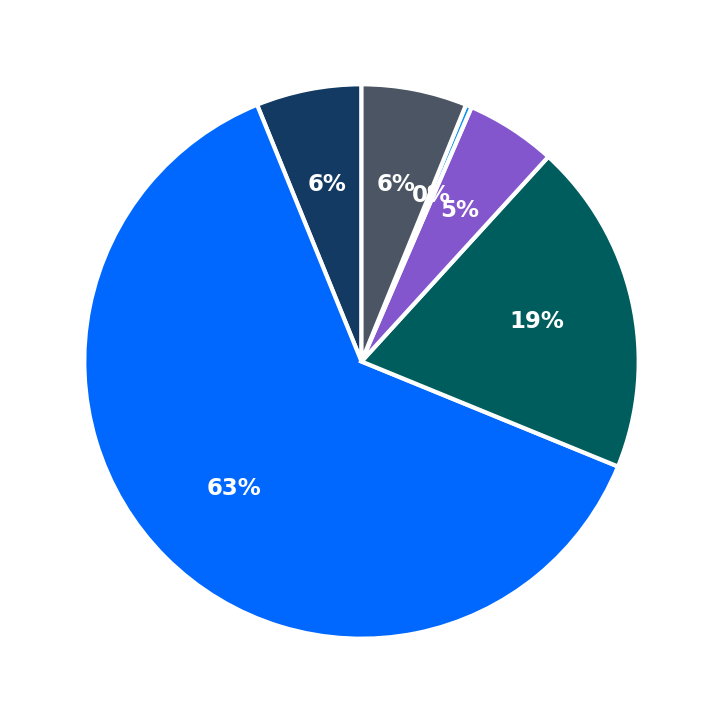
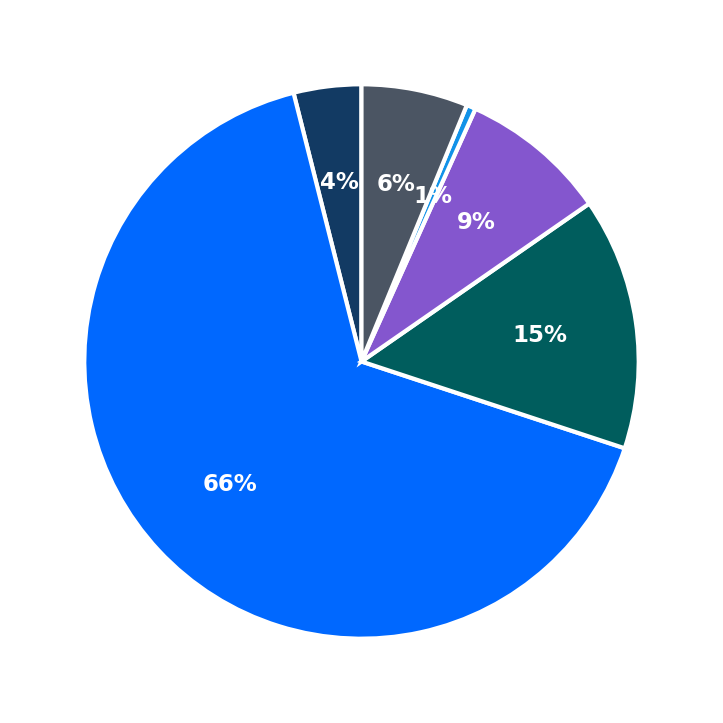
Opening a Central Bark franchise requires a total initial investment of $569,200 to $1,394,250, according to the 2025 Franchise Disclosure Document. This range covers the franchise fee, real estate, equipment, training, and initial working capital needed to launch and operate through the early months.
Minimum Investment
Maximum Investment
Minimum Investment Breakdown
Maximum Investment Breakdown
Investment Analysis
This investment analysis is coming soon. Have ideas for other analyses you'd like us to add? Get in touch.
The initial investment amounts shown are estimates only. Actual costs may vary based on location size, business model, and multi-unit ownership arrangements. We recommend reviewing the full Franchise Disclosure Document for complete details.
How Much Do Central Bark Franchise Owners Make?
Central Bark franchise locations reported average gross sales of $825,930 and median gross sales of $770,229 in 2025, based on financial performance data disclosed in Item 19 of the Franchise Disclosure Document.
Frequently Asked Questions
How much does it cost to open a Central Bark franchise?
The total initial investment for a Central Bark franchise ranges from $569,200 to $1,394,250, according to the 2025 Franchise Disclosure Document. This includes the franchise fee, real estate, equipment, training, and working capital.
What is the Central Bark initial franchise fee?
The initial franchise fee for Central Bark is $55,000, as stated in the 2025 FDD. This fee is paid upon signing the Franchise Agreement.
How much do Central Bark franchise owners make?
Central Bark franchise locations reported average gross sales of $825,930 and median gross sales of $770,229 in 2025, based on Item 19 of the Franchise Disclosure Document. Actual earnings vary by location, market, and operator experience.
Does Central Bark have any franchise lawsuits or legal issues?
Central Bark received a legal risk score of 100 out of 100 in the 2025 FDD analysis. The franchise reported no material legal proceedings.
Does Central Bark offer exclusive franchise territories?
Central Bark received a territory protection score of 48 out of 100. Grants a protected operating area where the franchisor will not place other physical units.
What training does Central Bark provide to new franchisees?
Central Bark received a training and support score of 65 out of 100. The brand provides a robust 94-hour training curriculum designed to prepare one staff member for launch.
How many Central Bark franchise locations are there?
Central Bark had 41 total locations as of the 2025 Franchise Disclosure Document.
What type of business is Central Bark?
Central Bark is a franchise in the Pet Services (pet care) industry that operates personalized canine care facilities.
Interested in Central Bark?
Get more information and connect with the franchise directly.